Convert SVG to PSD

Source · SVG
Target · PSD

Drop SVG files here

or choose files from your device

  • This output writer does not preserve source EXIF, GPS or XMP metadata blocks. Original ICC profiles are not copied.
  • Self-contained static shapes or an exact Any2Any PNG wrapper. Convert text to paths; scripts, other embedded images and external resources are not supported.

Enable JavaScript to convert files locally.

  • In your browser
  • No upload
  • Private by design

What happens when you convert SVG to PSD?

One rendered PSD layer

Output is an 8-bit RGB PSD with one rendered pixel layer, its transparency and a saved composite. It does not recreate source layers, masks, editable text, sensor RAW data or HDR range. The developed SDR image is the editing starting point.

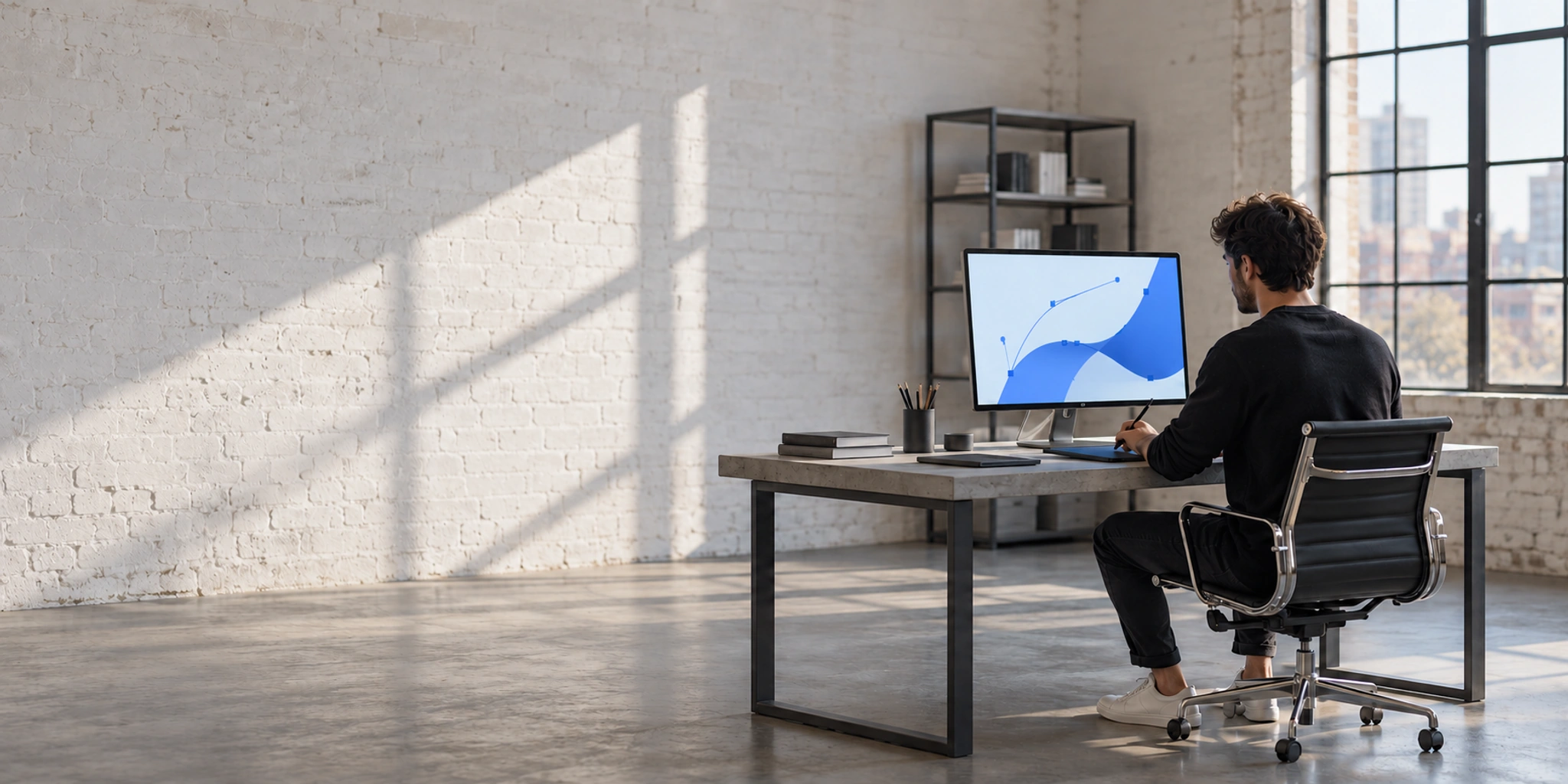
Vectors become pixels

Supported self-contained static SVG shapes are rasterized at the decoded dimensions. Text, scripts, animation, embedded images and external resources are rejected. Paths become pixels and do not remain editable vectors.

Sample precision & colour

Rendered SDR output uses 8-bit display pixels; source precision and original ICC profiles are not retained. Colour handling depends on the decoder and supported source variant.

SVG

Source

SVG

Scalable Vector Graphics

Compression: Not a pixel codecTransparency: YesMetadata: XML metadata, title, desc

XML-based vector graphics with shapes, text and optional animation. Raster export chooses a specific pixel resolution.

Explore SVG format →
PSD

Target

PSD

Adobe Photoshop Document

Compression: LosslessTransparency: YesMetadata: Image resources, ICC, XMP, Exif

A Photoshop working document carrying image channels, layers, masks and document resources.

Explore PSD format →

Is SVG → PSD right for you?

Good choice when

  • PSD fits your delivery use: Layered editing & retouching.
  • You want to begin pixel editing in a PSD editor.
  • You need a fixed-resolution raster asset.
  • You can validate the destination’s sample precision and colour interpretation.

Probably not when

  • You need original document structure or sensor samples.
  • You need editable paths, text or resolution-independent scaling.
  • You require identical samples without a defined colour and precision policy.
  • Motion, frame timing or loop behaviour must survive.

SVG to PSD conversion details

One rendered PSD layer
Output is an 8-bit RGB PSD with one rendered pixel layer, its transparency and a saved composite. It does not recreate source layers, masks, editable text, sensor RAW data or HDR range. The developed SDR image is the editing starting point.
Vectors become pixels
Supported self-contained static SVG shapes are rasterized at the decoded dimensions. Text, scripts, animation, embedded images and external resources are rejected. Paths become pixels and do not remain editable vectors.
Sample precision & colour
Rendered SDR output uses 8-bit display pixels; source precision and original ICC profiles are not retained. Colour handling depends on the decoder and supported source variant.
Metadata & colour
This output writer does not preserve source EXIF, GPS or XMP metadata blocks. Original ICC profiles are not copied. Rendered SDR output uses 8-bit display pixels; source precision and original ICC profiles are not retained. Colour handling depends on the decoder and supported source variant.
Animation becomes a still
Output is a still image. Supported animated raster inputs use their first displayed frame; motion, timing and loops are not preserved. HEIF sequences and animated SVG are rejected.
Compression
SVG: Not a pixel codec → PSD: Lossless SVG: SVG describes geometry rather than using a lossy/lossless pixel codec. XML can be compressed for transport, but rasterization is a separate operation that fixes resolution and can discard editability. PSD: PSD channel compression is lossless, but a document may contain previously lossy source assets. Composite rendering and layer editing are different capabilities; this page does not claim portable animation playback.
Transparency
SVG: Yes → PSD: Yes
Animation
SVG: Yes → PSD: No
Colour depth
PSD: 8 / 16 / 32 bits/channel
HDR
PSD: 32-bit workflows
Layers
PSD: Layers & masks
Vector graphics
SVG: Paths, shapes & text
Dimensions
Conversion keeps the decoded image dimensions unless you edit or resize it. Orientation is applied by supported decoders. ICO fits the image into one selected square size; PDF page layout and rendering DPI are configurable. Device, memory and codec limits still apply.
Metadata
This output writer does not preserve source EXIF, GPS or XMP metadata blocks. Original ICC profiles are not copied.

Common questions

Will PSD output recover the original layers?

Output is an 8-bit RGB PSD with one rendered pixel layer, its transparency and a saved composite. It does not recreate source layers, masks, editable text, sensor RAW data or HDR range. The developed SDR image is the editing starting point.

Will PSD remain scalable vector artwork?

Supported self-contained static SVG shapes are rasterized at the decoded dimensions. Text, scripts, animation, embedded images and external resources are rejected. Paths become pixels and do not remain editable vectors.

Are bit depth and colour values guaranteed to match?

Rendered SDR output uses 8-bit display pixels; source precision and original ICC profiles are not retained. Colour handling depends on the decoder and supported source variant.

Will metadata and colour profiles be retained?

This output writer does not preserve source EXIF, GPS or XMP metadata blocks. Original ICC profiles are not copied. Rendered SDR output uses 8-bit display pixels; source precision and original ICC profiles are not retained. Colour handling depends on the decoder and supported source variant.